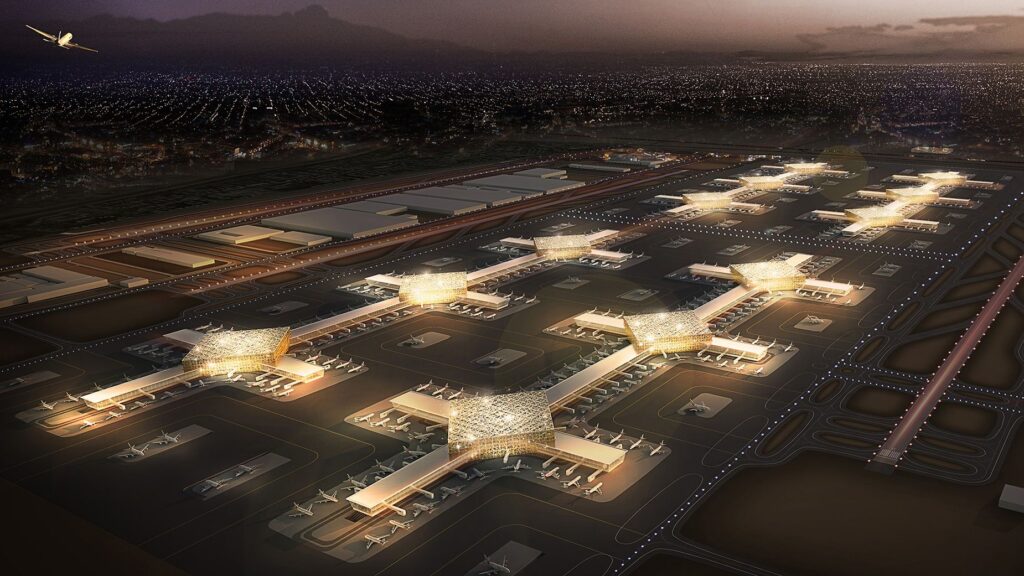
Dubai has consistently redefined global benchmarks in architecture, technology, and infrastructure. Among its most ambitious projects is Al Maktoum International Airport, located in the Dubai World Central (DWC) district. Designed to be the largest airport in the world upon completion, this mega-project represents Dubai’s vision for the future of aviation, logistics, and global connectivity.
Since its opening in 2010, the airport has gradually evolved, catering first to cargo operations and later to passenger flights. With a long-term target of handling 200 million passengers annually, Al Maktoum International is set to revolutionize the aviation industry and Dubai’s standing as a global hub.
The Vision Behind Al Maktoum International Airport
Dubai’s rapid growth has created an ever-increasing demand for world-class aviation facilities. Dubai International Airport (DXB), currently one of the busiest airports globally, has been nearing its capacity limits despite numerous expansions. To sustain Dubai’s growth as a global aviation and logistics hub, Al Maktoum International Airport was envisioned as part of the Dubai World Central project, a master-planned aerotropolis spanning over 140 square kilometers.
The airport’s location between Dubai and Abu Dhabi provides a strategic advantage, making it easily accessible for travelers and businesses alike. Once complete, it will be the centerpiece of an integrated ecosystem encompassing logistics, commercial, residential, and leisure developments.
Key Features of Al Maktoum International Airport
1. Unparalleled Capacity
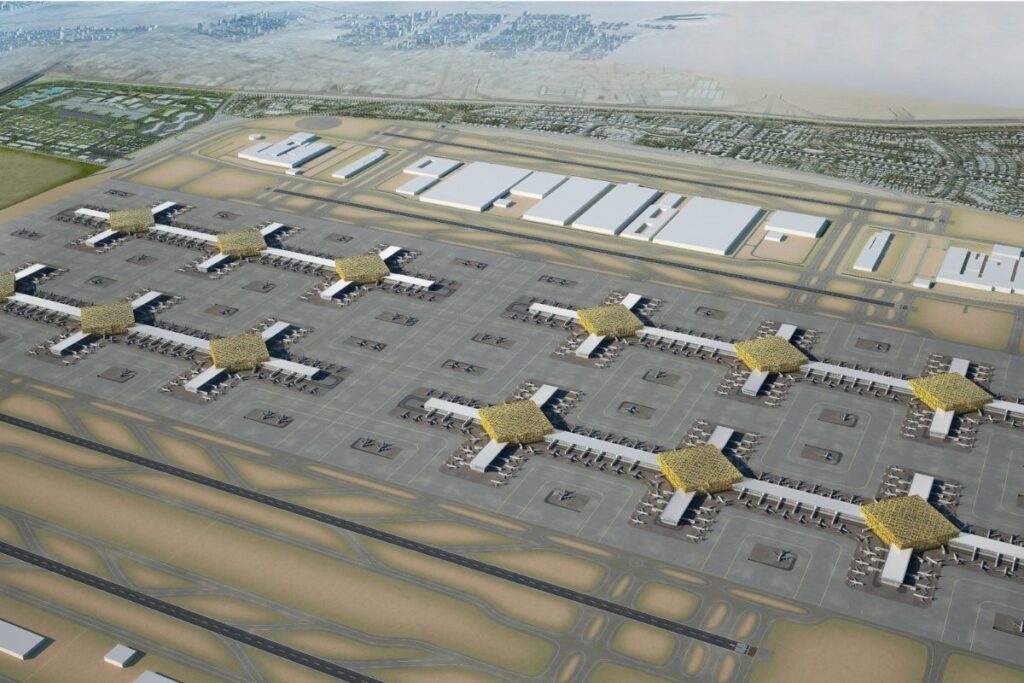
Al Maktoum International aims to handle 120 million passengers annually in its initial phase, with plans to increase this to 200 million over time. This capacity will make it the largest airport in the world, eclipsing other major hubs like Atlanta’s Hartsfield-Jackson and Beijing Daxing.
The airport is being designed with scalability in mind, allowing for seamless expansion without disrupting operations. This ensures it can cater to the ever-growing demands of global air travel.
2. Advanced Technology and Innovation
Al Maktoum International airport is at the forefront of technological innovation, incorporating advanced systems to enhance efficiency and passenger experience. Key technologies include:
- Biometric Identification: For seamless, paperless check-ins and boarding.
- AI-Powered Baggage Systems: Ensuring faster and more accurate luggage handling.
- Smart Terminals: Equipped with self-service kiosks, real-time updates, and automated assistance for travelers.
These innovations aim to set new standards for convenience, efficiency, and sustainability in aviation.
3. Global Freight and Logistics Hub
The airport is designed to process up to 16 million tons of cargo annually, positioning it as a major player in global trade. Its integration with Dubai’s existing logistics network and proximity to Jebel Ali Port ensures seamless movement of goods by air, sea, and road.
This focus on logistics will bolster Dubai’s reputation as a global trade and commerce hub, attracting multinational companies and investors.
4. Sustainability at Its Core
In line with Dubai’s commitment to environmental responsibility, Al Maktoum International incorporates eco-friendly technologies. These include energy-efficient lighting, solar power systems, and sustainable construction materials. The airport’s operations are designed to minimize carbon emissions, aligning with the UAE’s broader sustainability goals.
5. Strategic Connectivity
Located at the crossroads of Europe, Asia, and Africa, Al Maktoum International is ideally positioned to serve as a global transit hub. Its proximity to key economic zones, including Dubai South and Expo City Dubai, further enhances its connectivity and strategic importance.
Economic Impact of Al Maktoum International Airport
The airport is a cornerstone of Dubai’s economic strategy, driving growth across multiple sectors.
- Job Creation
Al Maktoum International is expected to generate thousands of jobs in aviation, construction, logistics, retail, and hospitality. This influx of employment opportunities will contribute significantly to Dubai’s economy. - Boosting Tourism
Dubai’s ambition to attract 25 million tourists annually by 2030 will be supported by the airport’s expanded capacity. Its proximity to major tourist attractions like Expo City and Palm Jebel Ali ensures that travelers can easily access key destinations. - Enhanced Trade and Investment
By strengthening Dubai’s logistics capabilities, the airport will attract foreign direct investment and encourage multinational companies to establish regional headquarters in the UAE. - Real Estate Growth
The surrounding areas, including Dubai South, are poised for a real estate boom as demand for residential, commercial, and hospitality spaces increases.
Progress and Challenges
While Al Maktoum International has already commenced operations on a limited scale, its full-scale development has faced delays due to global economic conditions and the COVID-19 pandemic. However, with Dubai’s resilience and commitment to long-term growth, the project is back on track and remains a priority for the emirate.
The phased development approach ensures that the airport can adapt to evolving market demands while maintaining operational efficiency.
A Glimpse Into the Future
Al Maktoum International Airport is more than just an airport—it’s a symbol of Dubai’s vision to lead the world in innovation and connectivity. As the global aviation landscape evolves, the airport is set to play a pivotal role in shaping the future of travel and trade.
With its ambitious capacity, state-of-the-art technology, and strategic location, Al Maktoum International will be a game-changer, reinforcing Dubai’s position as a global leader in aviation, tourism, and logistics.
Final Thoughts
As Al Maktoum International Airport continues to take shape, its impact on Dubai’s economy, connectivity, and global standing will be immense. Whether you’re a frequent traveler, an investor, or simply an admirer of groundbreaking projects, this airport represents the bold future of aviation.
Are you excited about the transformative potential of Al Maktoum International Airport? Share your thoughts below!
Check out our article on Palm Jebel Ali by Nakheel